
Thailand Targets Japan's Premium Market in Strategic Cassava Export Pivot Away from China
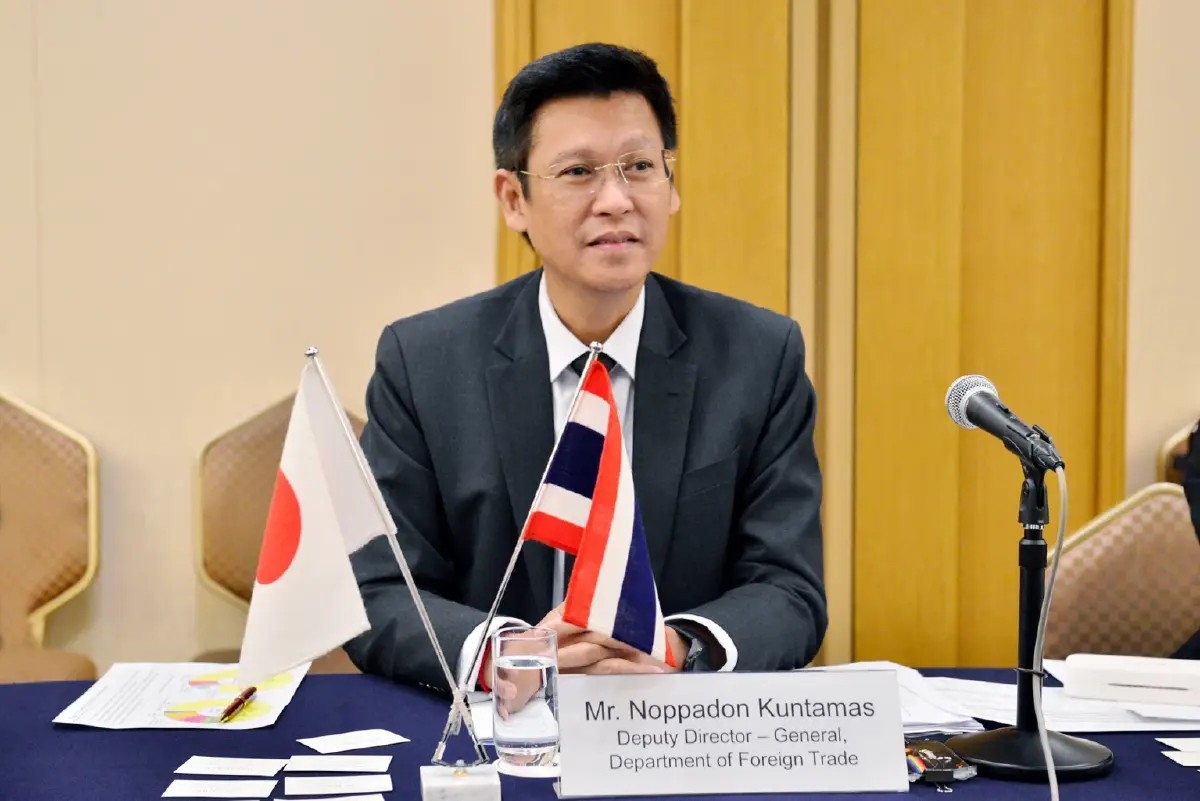 |
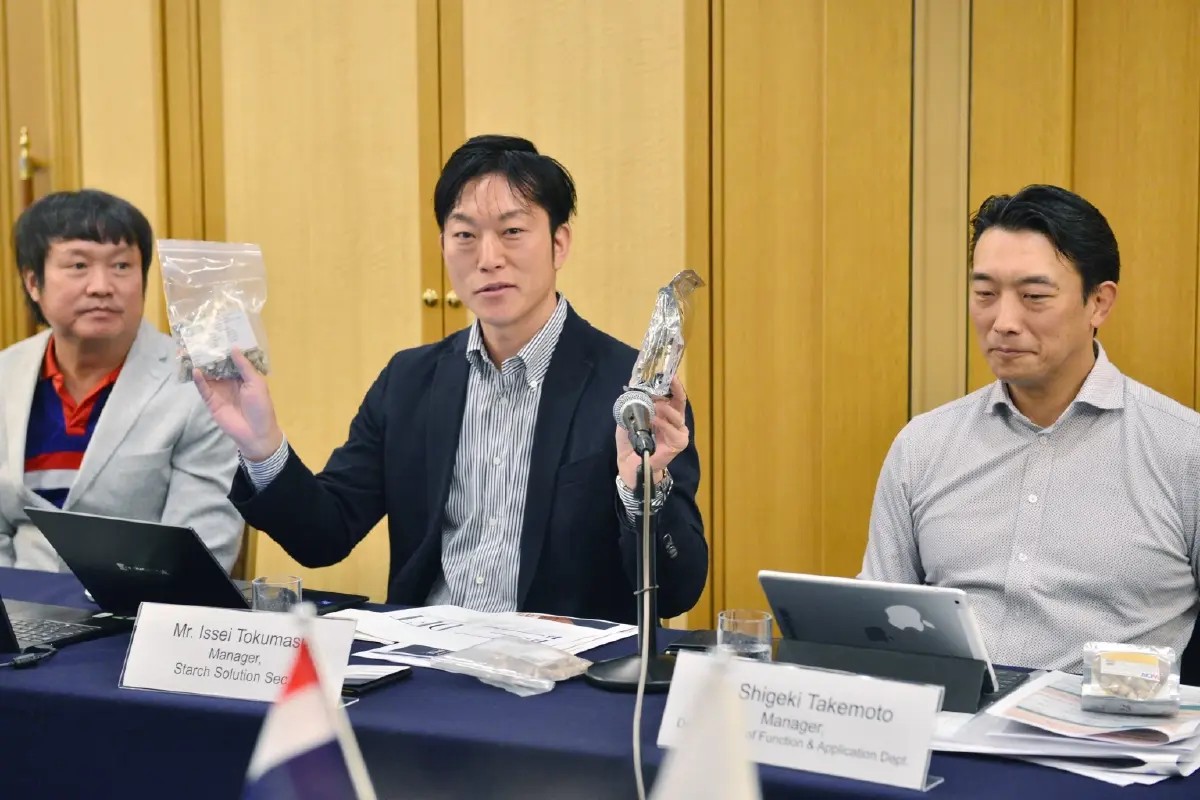
Thailand's Ministry of Commerce has launched an ambitious drive to penetrate Japan's high-value food and industrial markets with premium cassava products, signalling a strategic diversification away from the country's heavy reliance on Chinese demand. A 37-member trade delegation comprising private-sector representatives and academics visited Tokyo on 25–26 February 2026 to negotiate new supply agreements with Japanese importers and government agencies.
The initiative centres on value-added cassava products rather than raw commodities. Key target products include premium-grade tapioca starch marketed as "Gluten-Free" and "Non-GMO", cassava pellets for Japan's dairy and beef cattle feed industry, modified starches for food processing, and cassava-based bioplastics aligned with Japan's Green Transformation (GX) environmental policy. The shift reflects Thailand's broader ambition to move up the cassava value chain and capture higher margins in quality-conscious markets.
Thailand's cassava sector recorded strong performance in 2025, exporting over eight million tonnes of cassava products worth more than 95 billion baht — an increase of 26 per cent year-on-year. Despite this growth, the sector remains heavily exposed to fluctuations in Chinese demand, which has historically accounted for the majority of Thailand's cassava exports. China's increasing domestic corn availability and its sourcing diversification towards Laos and Cambodia have added urgency to Thailand's market diversification strategy.
 |
 |
 |
The Ministry of Commerce has outlined plans to expand into the European Union, North America, and the United Arab Emirates during 2026, focusing on modified starches, adhesive raw materials, and tapioca pellets. For ASEAN's largest cassava exporter, the pivot towards premium markets represents a significant evolution in trade strategy — one that could reshape regional cassava value chains and set a precedent for other producing nations seeking to reduce commodity dependence.
Japan, as the world's third-largest economy with stringent quality standards, offers a substantial opportunity for Thai exporters capable of meeting its food safety and traceability requirements. Success in this market could unlock further demand across developed economies and establish Thailand as the benchmark supplier of premium cassava-derived products globally.
Source: https://www.nationthailand.com/business/trade/40063810